Book Reviews & Interviews
Book Reviews & Interviews
-
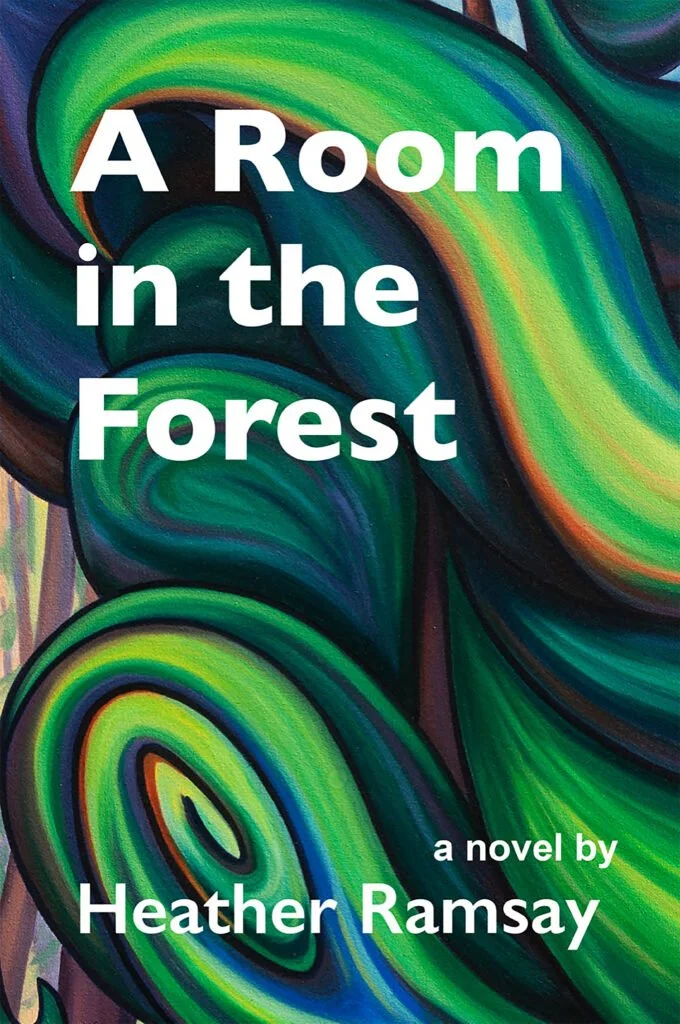
A Room in the Forest
An Invitation into the Ancient Forests of Haidi Gwaii
A Room in the Forest, Heather Ramsay. Caitlin Press, 2025.
The most memorable novels are written by authors who spin fiction around their hard-earned experiences, education, and passions. Such is the case with environmentalist Heather Ramsay’s debut novel, A Room in the Forest, a coming-of-age story set in Haida Gwaii, an archipelago off the northern coast of British Columbia surrounded by the volatile waters of the Pacific Ocean. This is not just a story about a young woman struggling to find her place in the world, but also about a place that colonizers once named the Queen Charlotte Islands, where Ramsay lived and worked for many years as a journalist.
It is 1999, and we meet Lily, a nineteen-year-old woman from a small Alberta town who has just completed a college forestry program and recently left an unhealthy relationship. Her determination to accept a job in a logging camp on Haida Gwaii is fueled not only by an urge to strike out on her own, but by a desperate need to understand her estranged mother, who once lived and worked there.
With resistance from her father, Lily sets out in an unreliable vehicle, with a paper map to guide her. The first challenge she faces, and one that resurfaces throughout this story, is the opposing views of the tree planters she meets along the way. Their convictions about logging and forestry practices clash violently with her chosen profession, and heated debates ensue. Issues surrounding unceded territories, Indigenous rights, the preservation of old-growth forests, and colonialism mingle with attitudes of free love.
When Lily reaches her destination, she enters a world where her understanding of self and the world around her are challenged at every turn, and we meet Haida Gwaii and its people through her eyes. This is where Ramsay’s impressive ability to pull her readers into the setting and transform the natural environment into an antagonist really shines, as Lily learns of Indigenous myths and legends that help explain this unique environment.
Polarities exist throughout this narrative. For Lily, the most profound thing is the ancient forest, before and after loggers move in. Lily “thought of all the beauty she’d seen. Skirting amber-coloured streams and mounds of moss. The criss-crossed cedar boughs at the base of some giants” collide with the aftermath of a clear-cut. “The pitch-blood smell. She couldn’t deny that it felt violent to be in such a freshly cut place.”
Life in a tough and unfriendly logging camp pushes her to the limit as she attempts to heal her broken heart and come to terms with her recent decision to terminate a pregnancy. And, after learning through her brother that the man she calls Dad is not her biological father, she is even more determined to learn about her mother. But Lily is not the only one seeking information and answers about her parentage. Chaz, a son of a Haida mother and white father, is also seeking his own version of truth. Their attraction for one another shines, while others around them struggle to cope with unrequited love and loneliness — the kind that can only be healed by the solitude of the majestic forests that cradle them. Ramsay’s characters are nuanced by the ache of wandering hearts and yearnings that may never be satisfied. Their imperfections make them especially relatable to readers.
One of the most endearing parts of this account of life on Haida Gwaii is the detailed, and often poetic, attention Ramsay devotes to the descriptions of wildlife: “A white-hooded eagle banked on the current, its yellow talons lowering like landing gear. Shrieking seagulls made plays at some rotting thing left by the tide, then scattered at the eagle’s descent.”
This is a nostalgic story that will resonate with anyone who hit the road at an early age, looking for their place in this messed-up world. With the reality of a road trip, before cellphones and GPS, Ramsay crafts a thought-provoking account of life in the late 1990s, with references to bands such as AC/DC setting the mood in the wheelhouse of a fishing boat during a fierce storm, “as the following sea walloped them from behind.”
Past and present collide as clear-cut practices are crippled by protests to preserve the old-growth forest, endangered species, and Indigenous artifacts. The narrative is a tapestry of challenging issues and subtle themes, including the protection of ancestral lands, women’s reproductive freedom, Indigenous territorial rights, and — at its core — capitalism and its quest for profit at all costs.
Skilfully executed, A Room in the Forest is the story of a conscientious and intelligent young woman who is hungry for truth in all she encounters, even at the risk of being alienated by her peers. Ramsay, as brave as her protagonist, pulls her readers into the mystical splendour of an old-growth forest being ravaged by logging companies, as she explores themes of loss, belonging, and the clash of paradigms that exist all around us.
-
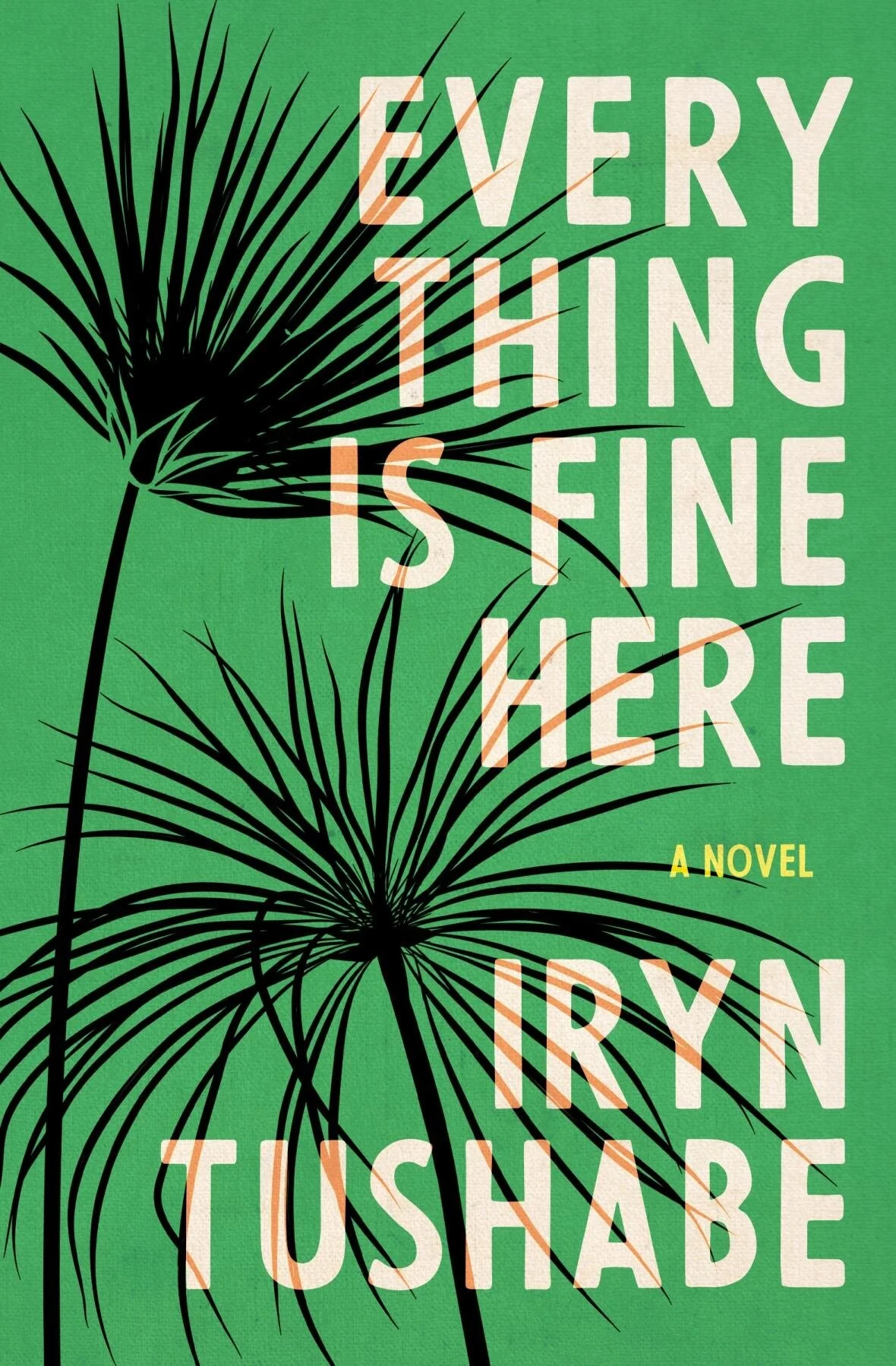
Everything is Fine Here
Iryn Tushabe, House of Anansi Press, 320 pages
Can women in societies dominated by oppressive religious conviction, homophobia, and misogyny ever find peace and equality? This is the question at the heart of Everything is Fine.
Here, the debut novel by Ugandan Canadian author Iryn Tushabe. Set-in present-day Uganda, the story follows 18-year-old Aine, who fears for her lesbian sister in a society where homosexual acts are brutally punished. Desperate to change her mother’s Christian conviction that her sister’s homosexuality is a grave sin, Aine seeks meaning amid the contradictions she witnesses all around her, longing to mend a family torn apart by irreconcilable difference.
Tushabe treats setting as a much-loved character within her story. Her vivid descriptions from the “bosomy landscape rolled greenly, rising and falling toward Kibale Forest” to the crushing reality of inner-city existence—where beggars with “shaved heads grey with ringworms and scabs” live—create a visceral reading experience.
This author pulls us into a world where disparity is rampant, yet her female characters are intelligent and far from hopeless. Aine’s strength is tested when a tragic accident claims the life of her father, and it is at this point that Tushabe’s skill at showing her character’s emotional interiority really shines.
The crushing influence of religion in Aine’s life and her burgeoning sexual awareness create tremendous tension as she reflects on the male-dominated society she is a part of. The story’s themes of intolerance felt challenging to pinpoint with distracting topics such as the wasteful fashion industry and the popular television show, The Detectorists mentioned briefly then forgotten. Like many coming-of-age novels, the main character experiences significant growth, yet Aine’s observations sometimes felt as though a much older voice had hit the page. For example, when discussing story with her sister’s partner, “Aine wondered about Achen’s life, how the membrane separating it from death seemed too porous.”
Nevertheless, I was intrigued by some of the insights put forth in this debut. One such moment occurs as Aine contemplates religion: “perhaps religious fanaticism magnified in people what had existed inside them all along.” This quote will stay with me for a long time.
The novel ends on a powerful note, ultimately answering my initial question: how can peace and equality for women be achieved? Near the novel’s conclusion, Aine’s sister offers an interpretation of a Rukiga proverb. “Where many people walk, a new path will be cleared.” Iryn Tushabe is a talented and brave writer who is not afraid to tackle tough issues of our time.
-
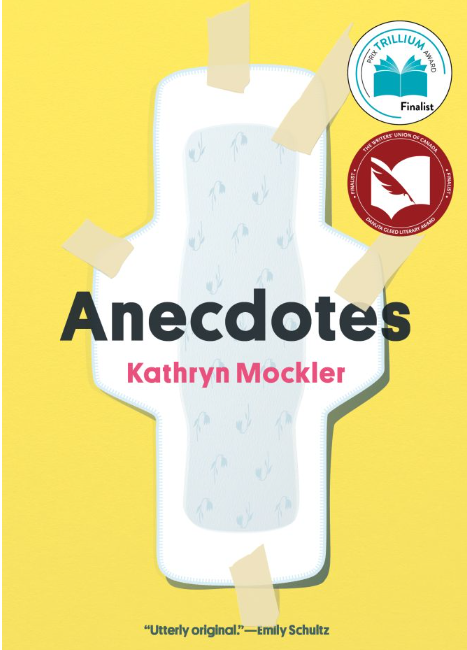
Anecdotes
In this Double Feature, PRISM international is proud to share Deborah Vail’s review of Kathryn Mockler’s book Anecdote, followed by Vail’s interview with the author.
-
Hiroshima Bomb Money
Review by Deb Vail of Terry Watada’s novel Hiroshima Bomb Money Malahat Review issue 231
-
-
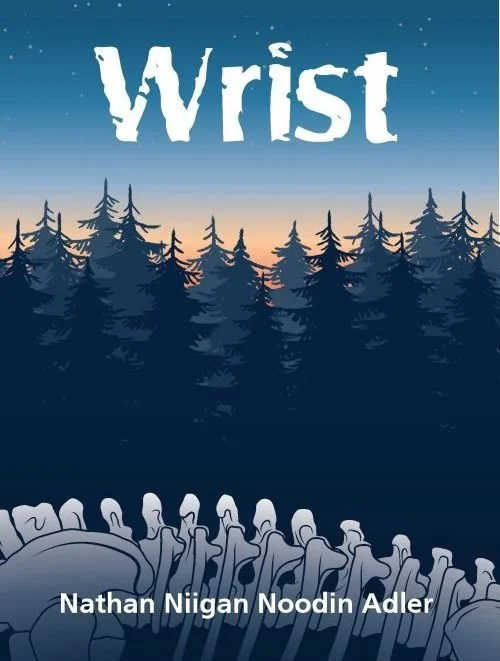
Horror, Cultural Exploitation, Science, Humour and Indigenous Legend in Nathan Adler’s “Wrist”
-
“The Conjoined” Is About People Who Do Their Best: A Review
-
Cutting to the Core of Humanity: Steven Peters’ 59 Glass Bridges
-
What the Oceans Remember: An Interview with Dr. Sonja Boon
-
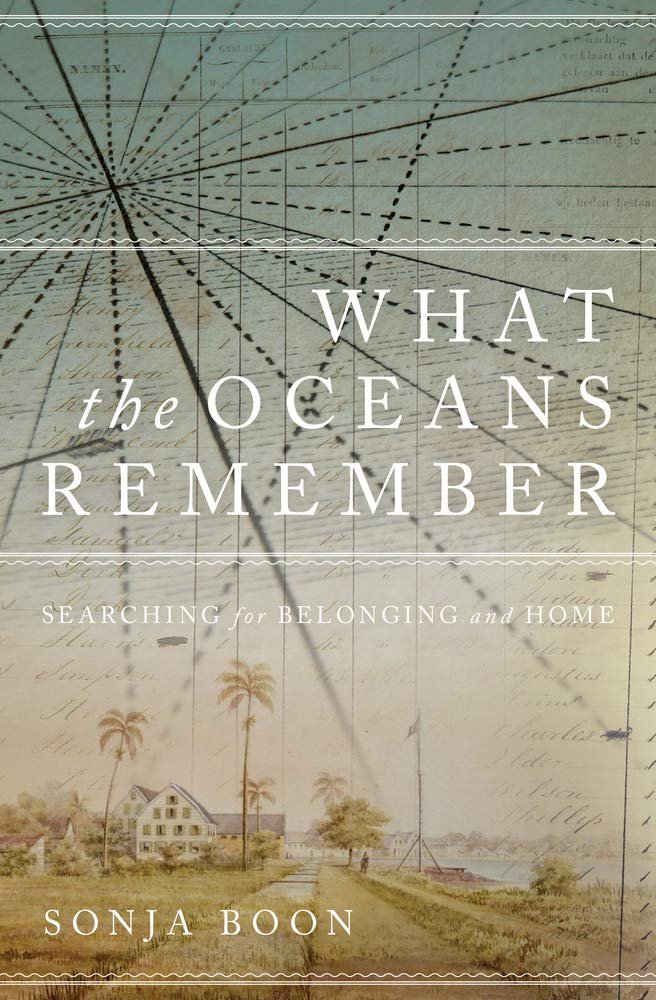
Dr. Sonja Boon. What the Oceans Remember: Searching for Home and Belonging. Wilfred Laurier University Press, Life Writing Series, 2019.
Wilfred Laurier University Press, Life Writing Series, 2019.
Have you ever thought that the past has nothing to do with you? You weren’t alive when slavery, residential schools, Japanese internment camps or any other atrocity against a people occurred and therefore you have no skin in the game. In Sonja Boon’s critical memoir, What the Oceans Remember: Searching for Home and Belonging, she offers another mind set that fuses the past and the present. She submits that no matter what your background, the present is shaped by difficult pasts and we’re all in it together.
Young Adult Titles
-
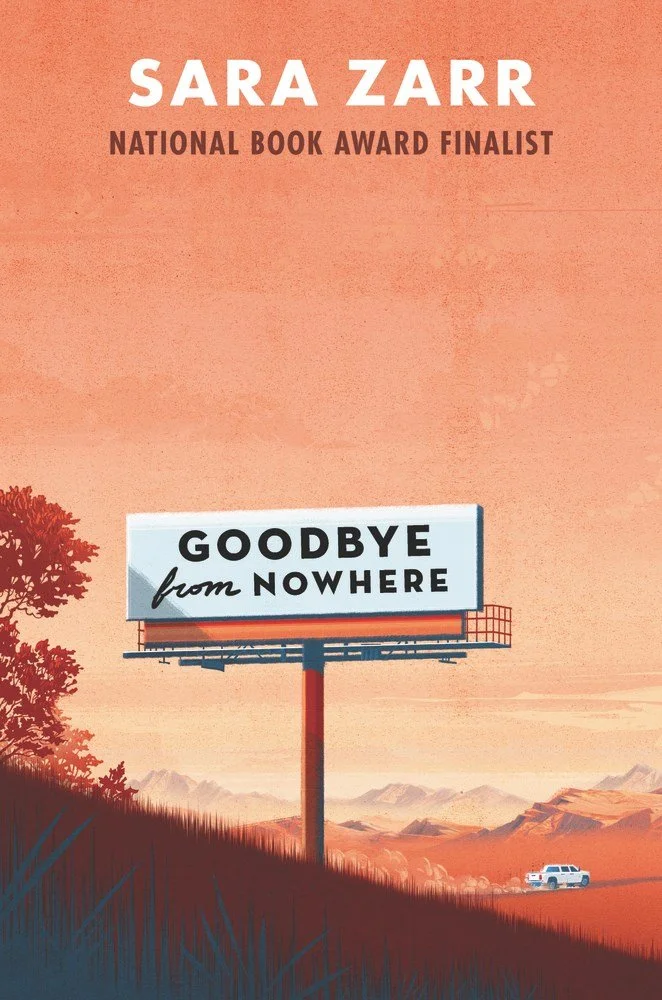
Goodbye from Nowhere by Sara Zarr
-

Double or Nothing by Brooke Carter
It’s not about the money. It’s not even about winning or losing. It’s about hating myself, punishing myself and then seeking redemption in all the wrong ways. Imagine being so smart that, eighteen, you’re already in your second year of university.
-

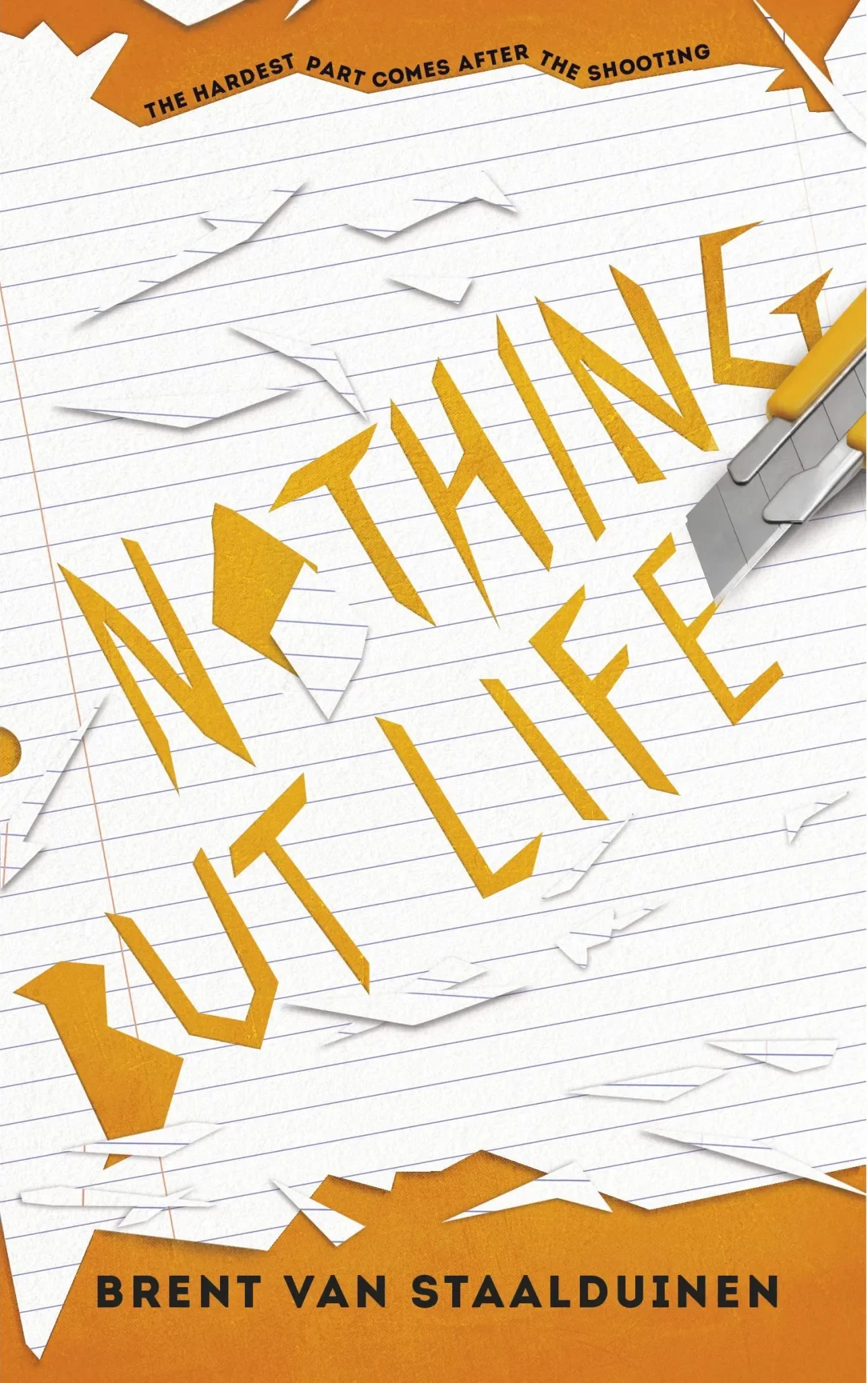
5 Questions for Brent van Staalduinen
-
-
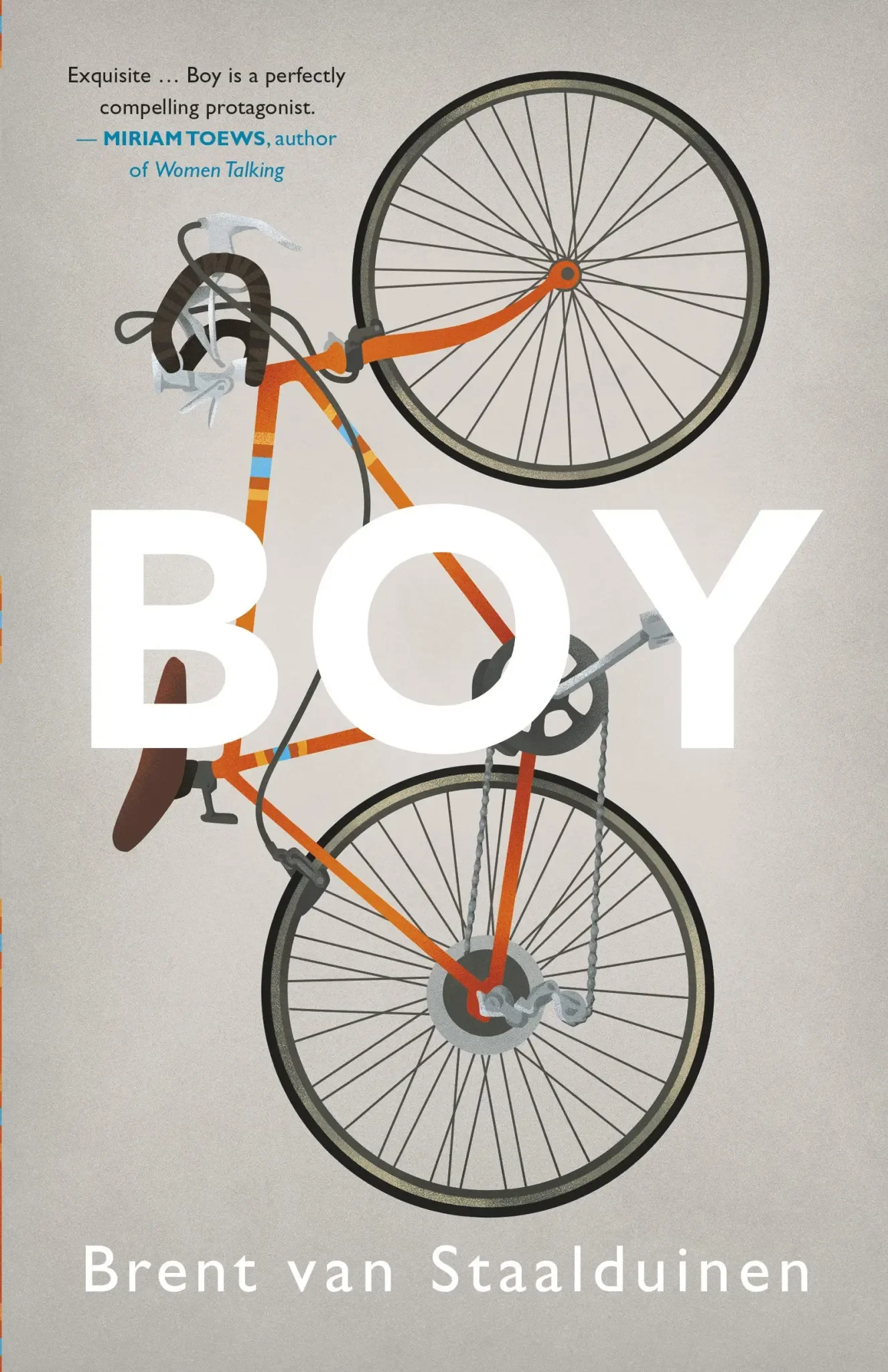
BOY by Brent van Staalduinen
What would you think of a high school senior who wears his cadet uniform to school, rides a bright orange bicycle, and talks to himself? What if you discovered that his older sister, Charlie, was killed eight years earlier in a motor vehicle crash. Could you believe that her ghost is always with him?
-
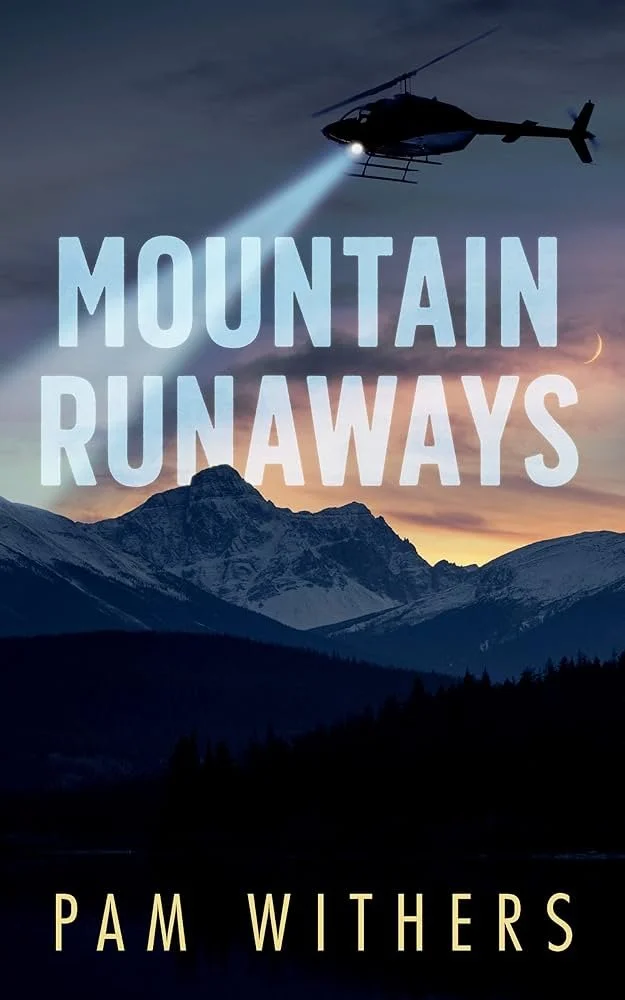
Mountain Runaways by Pam Withers
The slice of the moon peeks out from behind a cloud as if startled out of hiding itself. In that microsecond, Jon sees coarse yellow fur, flashing eyes, and huge claws. Nearly losing his grip, he thanks fate it’s a grizzly, and not a black bear. Grizzlies don’t climb trees.